

The Ugliest Thing That Survives. Why Hope is the Real Work of Words
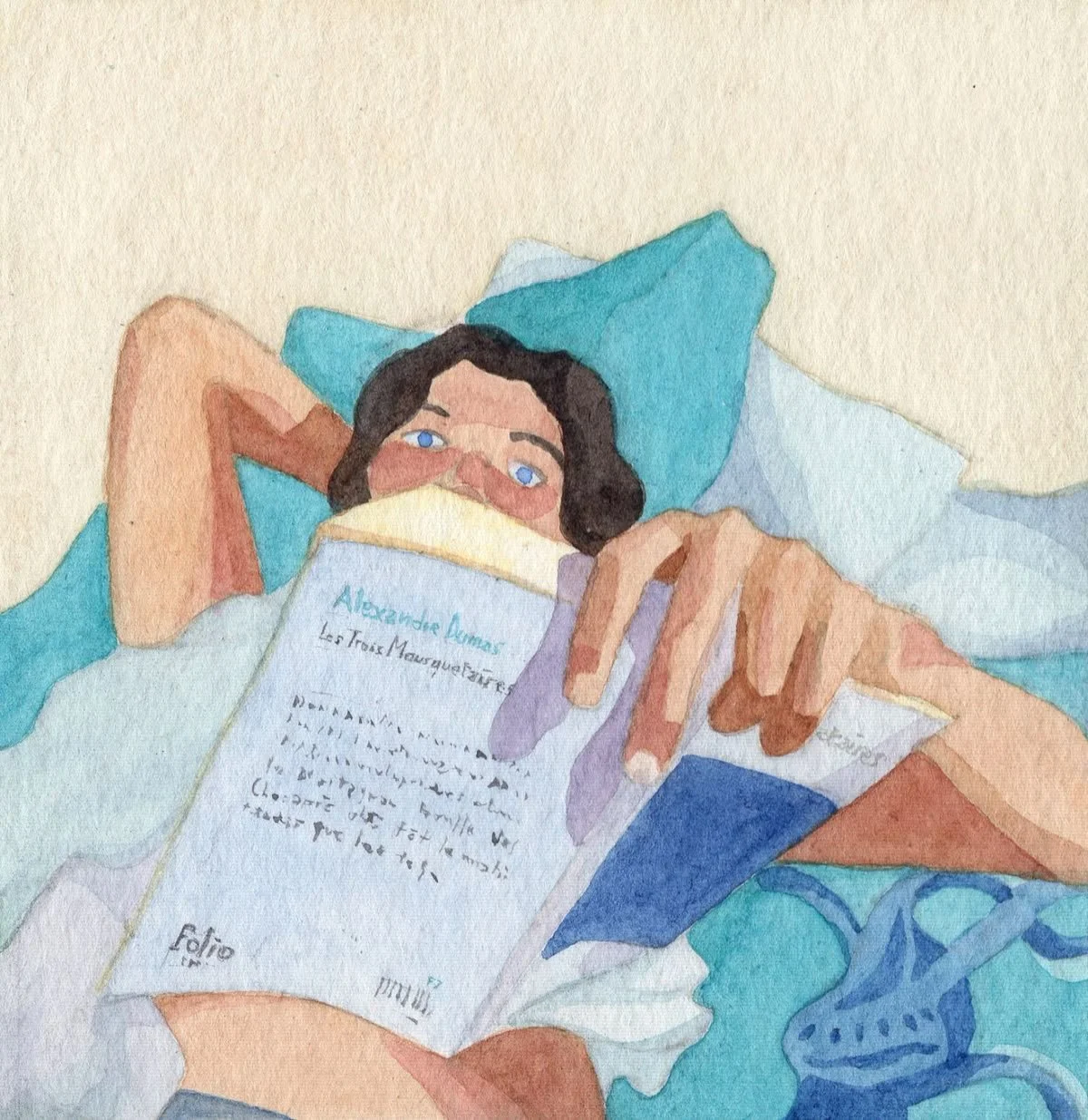
© Jean Aubertin
Faith in what we thought to be universal truths feels increasingly difficult to justify. We receive reports on a new release of Epstein files each day. We watch comedians we admired perform in Riyadh, smiling before a regime implicated in a journalist's murder. The institutions we were told to trust now resemble fragile facades, their foundations cracking under the weight of reality. Cynicism becomes the rational response, a shield against disappointment. Yet beneath that brittle surface, something else persists. Optimism isn't the right word, what I mean is far less polite. The poet Caitlin Seida called it a sewer rat. Hope is the ugly thing with teeth and claws and patchy fur that has seen some shit. It thrives in the discards. It thrives in the discards, survives in the darkest places when nothing else can find a way in. This tenacious and unglamorous hope transcends mere feeling; it is a powerful force that shapes and contests the narratives we craft with language.
To understand its power, look to where hope is engineered. Consider the copywriter's text. Often dismissed as commercial fluff, professional persuasion is the architecture of believable futures. Identify a desire for security or status or transformation, then construct a linguistic bridge to its fulfilment. This is not so different from nation-building. Twentieth century American propaganda did not sell policy, it sold the American Dream. This was a narrative of individual hope so potent it could motivate generations and morally underwrite immense power abroad. The idea promised a secure place within society, that only very few could ever even get close to. The true ingenuity of such systems lies in their ability to commodify the desire for change, redirecting it into narratives that maintain the status quo. Certain political dialects employ religious framing in modern America. The language of spiritual warfare, of battling devils in high places, channels legitimate outrage into a narrative with a built-in resolution. Prayer and personal piety. The hope for structural change is subtly redirected into a hope for individual salvation. This becomes a form of devotional self-surveillance demanding obedience over action. It is a devastatingly effective piece of rhetorical jujitsu. It offers the solace of hope while neutering its disruptive potential.
Contemporary China employs a parallel linguistic strategy. Slogans like the Chinese Dream or 'common prosperity' "共同富裕" are masterclasses in branded collectivism. Launched as a central policy framework around 2021, this term is far more than an economic directive. The policy aims to target excessive profiteering and extravagant wealth accumulation alongside social policies to eradicate poverty. The term itself is a genius piece of copywriting, designed to manufacture and direct public hope. The slogan acknowledges social anxiety and inequality, then posits a collective, state-guided future where these disparities are resolved. It then posits a collective, state-guided future where these disparities are resolved ("the redeemed later"). They are not political statements so much as marketing campaigns for a national future. The tool is hope, meticulously packaged and distributed. In both cases the objective is influence. The most effective language offers a credible path from a painful now to a redeemed later.
Hope is not a mood, but a motivator for change. Its most powerful form is born in the acknowledgement of defeat. In his 1967 sermon Shattered Dreams, Dr Martin Luther King Jr confronted this agony directly. He spoke of the crushing weight of fighting for what is demonstrably right. Of having moral and even divine alignment and still failing. Sometimes you lose. The hope that follows such a realisation is not bright, but the decision to continue when every observable metric suggests surrender is the only logical course. It is the sewer rat's resolve, not the bird's flight.
This is why the spectacle of comedians performing in Riyadh resonated as betrayal. The issue transcended comedy or foreign engagement. It represented the abandonment of a specific and fragile hope: that those gifted with a public platform might privilege a consistent humanity over transactional opportunity. It was a trade of the gritty principled rat for a gilded cage. A confirmation that even our perceived iconoclasts bow to the oldest corruptions felt like the shattering of a smaller but deeply held dream.
So what becomes of our words when the grand narratives fail. This moment of disillusion is not hopelessness. This moment of disillusion is not hopelessness; it's the necessary ground for a more honest kind of hope. The prepackaged glossy version has expired, where the resilient, ugly thing remains. Our task with language now is not to rebuild the polished stage sets. We must learn to speak credibly from the rubble. This means forging a different rhetoric. One that trades the hollow grandeur of the greatest nation for the quiet dignity of a practical solution. A brand voice that bears the texture of its scars. A brand voice that bears the texture of its scars, a story that values the integrity of a long losing fight as much as the easy victory.
People often think fear is the great motivator. It is not. Fear paralyses. It is the agent of the doom-scroll, the generator of inert despair. What compels action, even trembling action, is its counterpart. Its counterpart, the slim defiant hope that the world as it is need not be the world as it will be, compels action, even trembling action. We move through fear because of hope. We move through fear because of hope; they are not opposites but essential partners in any struggle worth the name.
Throughout history, the powerful have consistently sought to author our hopes, shaping them to serve their own ends. They sell futures that consolidate their position. Our job as writers is to understand how language is used to influence, and to use our own voices to question and push back against what we see. Committing to a dream of the future that does not yet exist is what we can give to ourselves. This is the real work left to us. Instead of focusing on the empty proclamations of a broken past, we can be scribes for the stubborn surviving rat. Its hope is not much. But it has teeth, and it is ours.
Aoife Grimes, 25 year old Corporate Gen Z

